
Many parents reach a point where they know something is not quite right but are unsure what to do next.
Perhaps your child’s teacher has raised concerns about attention, learning or social development. Maybe everyday routines feel harder than they should, or you have been wondering for some time whether your child might benefit from additional support.
Once families begin looking into assessments, they often face another difficult decision. Should they join a public waiting list, or pay for a private assessment?
For many parents, this can feel overwhelming. Public services are usually more affordable but often involve lengthy waiting periods. Private assessments can provide answers more quickly, but the costs can feel significant.
There is no single right choice for every family. This article explains the differences between the two pathways, including waiting times, costs and factors that may help you decide which option feels right for your child.
Understanding Child Assessments in Sydney
A child assessment helps build a clearer picture of how a child is learning, behaving and developing. Parents often seek one when everyday life seems harder for their child than it should. Perhaps their child is struggling at school, finding friendships difficult or becoming overwhelmed more easily than other children their age.
What an Assessment Looks At
Depending on the concerns, assessments may explore areas such as attention, learning, communication, emotional regulation and social development. They can also help identify conditions such as ADHD, autism, anxiety or learning difficulties.
A full overview of the types of assessments available at Kids First is on our Assessments page (kids-first.com.au/assessments/).
Why Families Seek an Assessment
For many families, the biggest benefit of an assessment is clarity. Rather than continuing to wonder why certain things are difficult, parents gain a better understanding of their child’s strengths and challenges.
That understanding helps them make more informed decisions about support at home and at school, and gives children a clearer framework for understanding themselves.
Public Child Assessments in Sydney
Public child assessment services are government-funded and support children with developmental, behavioural and learning concerns. They are usually accessed through hospitals, community health services or specialist referral pathways, often beginning with a GP referral.
How to Access Public Assessment Services
Public services often involve multidisciplinary teams that may include psychologists, paediatricians, speech pathologists and other allied health professionals. This means different aspects of a child’s development can be considered together.
For many families, the biggest advantage is affordability. Assessments through public pathways are often subsidised through Medicare or provided at little cost.
Benefits and Limitations of Public Services
Public services make specialist assessment accessible to families who may not be in a position to access private care. They also often connect families with longer-term support pathways, including school services and government-funded programmes.
The main limitation is waiting times. Demand for public services can be high, and some families wait several months before an initial appointment becomes available. Appointments may also be less flexible, and there can be less time to discuss concerns in detail during each visit.
Private Child Assessments in Sydney
Private child assessments are conducted through independent clinics and private practitioners. Many families choose this pathway when they would like answers sooner or would prefer greater flexibility in appointment times.
What Private Assessments Cover
Private assessments may explore concerns related to ADHD, autism, anxiety, learning difficulties, emotional regulation and behaviour. They often include detailed written reports that can be shared with schools and other professionals involved in a child’s care.
For many families, the biggest advantage is not necessarily the assessment itself. It is the reduced waiting time and the earlier access to support that tends to follow.
Benefits and Limitations of Private Services
Private assessments generally offer appointments within weeks rather than months. When concerns are affecting a child’s learning or emotional wellbeing, earlier answers can make a significant difference. Assessment reports also tend to include practical recommendations that schools can use to implement learning adjustments quickly.
The most significant limitation is cost. Depending on the type of assessment and professionals involved, fees can be substantial. While Medicare rebates may be available in some circumstances, out-of-pocket expenses can still be considerable. There can also be variation between providers in assessment approach, reporting style and the level of ongoing support offered.

 Key Differences: Waiting Times, Cost and Flexibility
The biggest differences between public and private assessments usually come down to four factors: waiting times, cost, flexibility and the level of detail in reporting.
|
Public Assessments |
Private Assessments |
|
Usually low-cost or subsidised through Medicare |
Higher out-of-pocket costs |
|
Longer waiting periods |
Shorter waiting times |
|
More structured referral pathways |
Greater flexibility in booking appointments |
|
Often linked with public support services |
Detailed written reports and practical recommendations |
Waiting Times
Public services in Sydney are often in high demand. It is not uncommon for families to wait several months before an initial appointment becomes available. For some families, this is manageable. For others, particularly when a child is struggling at school or everyday life has become increasingly difficult, waiting can feel stressful.
Private assessments generally offer much shorter waiting times. Many families can access an appointment within weeks, which allows strategies and interventions to begin sooner if needed.
Cost and Medicare Rebates
Public assessment services are usually heavily subsidised or provided at little cost through Medicare-funded pathways. Private assessments vary considerably in price depending on the type of assessment and professionals involved.
Some families may be eligible for Medicare rebates through private services, although eligibility depends on referral pathways and individual circumstances. Following assessment, some children may also be able to access support through the NDIS where appropriate. Further information is on our NDIS and Disability Support page (kids-first.com.au/ndis-disability-support/).
Which Pathway May Suit Your Family
There is no single right answer, because every family’s situation is different. Some families use a combination of both pathways, choosing a private assessment to gain clarity quickly while continuing to access longer-term support through public services or the NDIS.
When a Private Assessment May Be Worth Considering
A private assessment may be worth considering when concerns are having a significant impact on your child’s learning, behaviour, emotional wellbeing or daily functioning. Families often choose this pathway when:
- school difficulties are becoming more noticeable
- teachers are requesting formal documentation or recommendations
- concerns about ADHD, autism or learning difficulties are increasing
- waiting several months would be difficult for the child or family
- obtaining answers sooner would help reduce uncertainty and allow support to begin earlier
- their child’s GP or paediatrician is willing to create a Medicare plan that provides some rebates for assessment services provided by private practices
For many parents, the decision is less about convenience and more about wanting a clearer understanding of how best to support their child.
When Public Assessment May Be the Right Choice
Public assessment services can be an excellent option when concerns are mild, still emerging or not significantly affecting everyday life. They can also be a more suitable pathway when financial considerations make private assessments difficult.
Choosing a public pathway does not mean concerns are being ignored. For many families, it simply represents the most practical and appropriate option for their circumstances. The connection between public services and longer-term government-funded support systems is also something many families value.

 Common Conditions Assessed in Children
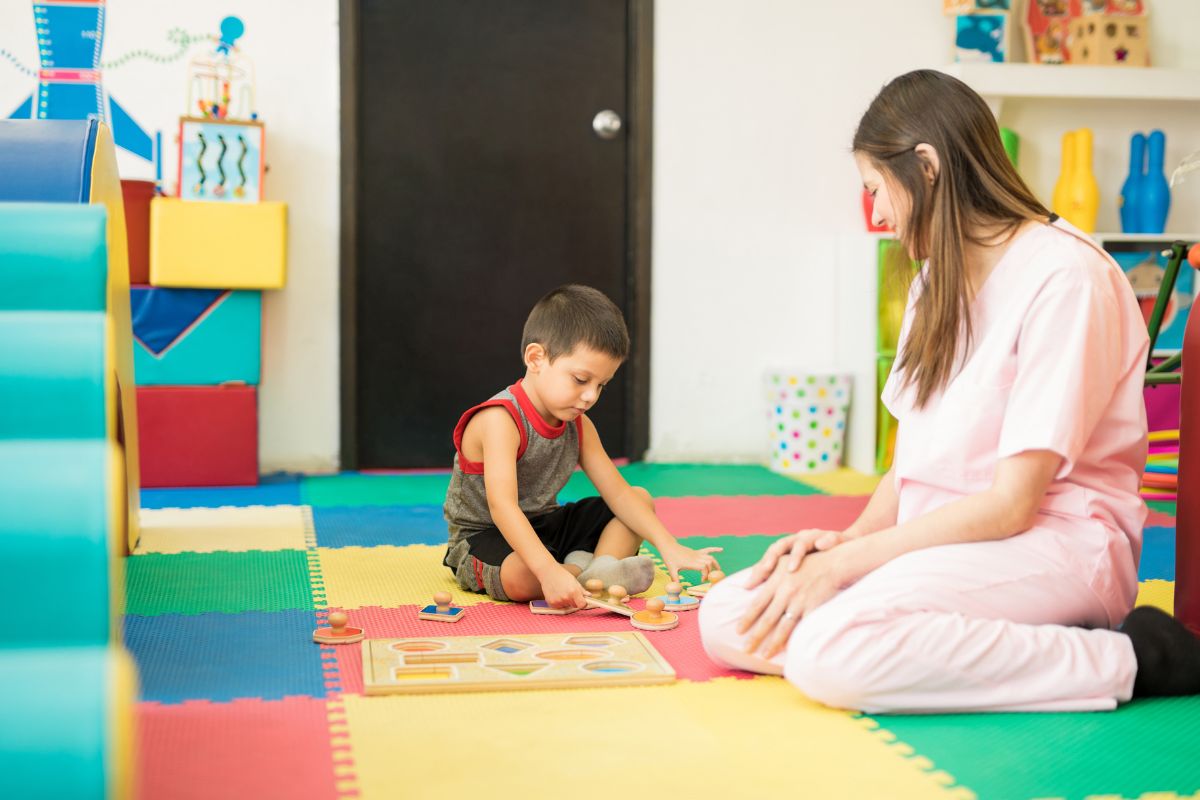
Child assessments can help explore a wide range of developmental, learning and emotional concerns. Sometimes families have a strong suspicion about what may be happening. In other situations, parents simply know that everyday life feels harder than it should for their child but are unsure why.
Developmental and Learning Concerns
Some of the most common reasons families seek an assessment include ADHD, Autism Spectrum Disorder, anxiety and emotional difficulties, learning difficulties including reading and writing challenges, speech and language concerns, and behavioural and emotional regulation difficulties.
For families where early intervention may be relevant, further information is on our Early Intervention Support page (kids-first.com.au/early-intervention-support/).
How Assessment Helps
An assessment helps build a clearer understanding of both a child’s strengths and the areas where additional support may be helpful. When parents understand why their child is struggling, it often becomes easier to make decisions about support at home, at school and in everyday life.
It is also worth remembering that there is no perfect time to seek help. Children can benefit from assessment and support at many different ages. Rather than wondering whether concerns are serious enough, many families find it helpful to ask a simpler question: is my child finding everyday life harder than it should be?
How to Get Started
For many parents, getting started is often the hardest part. If you have ongoing concerns about your child’s development, behaviour, learning or emotional wellbeing, a good first step is a conversation with your GP, your child’s teacher or another professional who knows your child well.
First Steps Towards an Assessment
Some families begin with a GP referral, particularly if they are considering public services or would like advice about the most appropriate pathway. Others contact private clinics directly to ask about assessment options and waiting times.
Parents sometimes worry that they need to have all the answers before seeking help. In reality, it is perfectly fine to simply say that something does not feel quite right. That concern alone is often enough to start the conversation.
What to Bring to the First Conversation
Before an assessment, it can be helpful to gather information that gives the clinician a clearer picture of your child. This might include:
- school reports or teacher feedback
- examples of behaviours or concerns you have noticed at home
- previous reports or assessments
- information about your child’s developmental history
You do not need to have everything organised before making contact. Bringing whatever you have is enough.
Speak With the Kids First Team
If you have been wondering whether your child may benefit from an assessment and are unsure which pathway is right for your family, our team is happy to talk it through with you.
No referral is required to make contact, and an initial conversation carries no obligation.
Kids First Children’s Services
Level One, 527 Pittwater Road (cnr Pine Ave), Brookvale NSW 2100
Phone: (02) 9938 5419
Email: [email protected]
If you would like to talk through your concerns, please feel welcome to reach out to our team.
Frequently Asked Questions
Are private child assessments better than public ones?
Not necessarily. Private assessments often provide faster access and greater flexibility, while public assessments are usually more affordable and may connect families with longer-term support systems. The best option depends on your child’s needs, your family’s circumstances and how urgently support is required.
How long does a public assessment take in Sydney?
Waiting times vary considerably depending on the service and the type of concerns being assessed. In some cases, families may wait several months before an initial appointment becomes available. Private assessments generally offer appointments much sooner, often within a few weeks.
Can families use both public and private services?
Yes. Some families choose to pursue a private assessment to gain answers sooner while remaining connected with public services or accessing longer-term support through other pathways, including the NDIS where appropriate.
Do private assessments attract Medicare rebates?
Some families may be eligible for Medicare rebates depending on their referral pathway and the professionals involved. ADHD and autism assessment sessions may attract rebates under Medicare’s Complex Neurodevelopmental (M10) Items. These require a qualifying referral from a GP pr paediatrician. It is worth asking about eligibility before booking.
At what age should a child be assessed?
There is no specific age. Assessments can be considered whenever concerns about development, learning, behaviour or emotional wellbeing continue over time or begin affecting everyday life. Some children are assessed as toddlers, while others are assessed once school begins and difficulties become more noticeable.
Is a referral required to access a private assessment at Kids First?
No referral is required to make initial contact or book a consultation at Kids First. A referral from a GP, paediatrician or specialist is needed to access Medicare rebates for certain sessions, but the conversation with our team can begin without one.
What is the difference between a public and private assessment report?
Both public and private assessments produce a written report, but the level of detail and the speed of delivery can differ. Private assessment reports often include detailed practical recommendations for home and school, and families generally receive them within a few weeks of testing being completed.
How do I know which type of assessment my child needs?
The type of assessment depends on the concerns being explored. A conversation with a GP, your child’s school or a clinic like Kids First can help clarify which pathway and which type of professional is likely to be most useful for your child’s situation. You do not need to know the answer before making that first contact.