Written by: Sonja Walker, Founder, Kids First Children’s Services
Author byline: Dr Fernanda Nardi
When your child is struggling, it can feel as though you are struggling too. Maybe they’re finding school difficult, having frequent emotional outbursts at home, or becoming increasingly anxious. Sometimes there is a clear concern. Other times, something simply does not seem right, but it’s difficult to explain exactly why.
A professional Psychological Assessment can help answer some of these questions. It provides a better understanding of your child’s learning, behaviour, emotions, and development, helping families make informed decisions about what may be helpful moving forward.
Families across Sydney’s Northern Beaches have access to experienced multidisciplinary child psychology services close to home. Whether concerns relate to learning, behaviour, emotional wellbeing, or development, an assessment can provide practical information about your child’s individual needs.
A Psychological Assessment isn’t simply about assigning a label. It’s about understanding your child more fully so that parents, teachers, and professionals can work together to support their progress and wellbeing.
What Is a Child Psychological Assessment?
A child’s Psychological Assessment is a detailed evaluation completed by a psychologist to better understand how a child learns, thinks, behaves, and manages everyday challenges.
Sometimes the reasons behind a child’s difficulties are obvious. Other times, things are less clear. A child may be struggling at school, becoming anxious, having frequent emotional outbursts, finding friendships difficult, or seeming very different at home compared to other children their age. Parents often know something isn’t quite right but are not always sure why.
A Psychological Assessment helps answer some of these questions. It may include standardised testing, parent interviews, behavioural observations, and questionnaires completed by parents and teachers.
The purpose of an assessment isn’t simply to assign a diagnosis or label. It’s to better understand your child’s individual profile, identify factors that may be affecting their day-to-day functioning, and provide practical recommendations for home, school, and any further support that may be helpful.
For many families, one of the greatest benefits of an assessment is finally having a clearer understanding of their child’s needs and feeling more confident about what to do next.
Who Should Consider a Psychological Assessment for Their Child?
Not every child who has a difficult week needs a Psychological Assessment. However, there are times when a more detailed evaluation may be helpful.
You may wish to consider an assessment if your child is consistently falling behind at school despite genuine effort, finding it difficult to make or maintain friendships, experiencing ongoing anxiety or emotional outbursts, showing signs of developmental delays, or behaving in ways that feel confusing or difficult to understand.
Sometimes concerns are first raised by a teacher or early childhood educator who has noticed differences in your child’s learning, behaviour, or social interactions. In other cases, a GP, paediatrician, or another health professional may recommend an assessment. For some families, it simply begins with a feeling that something isn’t quite right.
All of these are valid reasons to seek further information. Parents don’t need to wait until difficulties become severe before asking questions or exploring whether an assessment may be helpful.
The Role of a Psychologist Compared to Other Professionals
Parents often ask which professional they should see first, particularly when concerns overlap.
Psychologists focus on understanding learning, behaviour, emotions, attention, and development. Speech pathologists support communication and language difficulties, while occupational therapists help with sensory processing, motor skills, and everyday functioning.
Many children benefit from input from more than one professional. For example, a child with autism may also have speech, sensory, or learning difficulties that affect different areas of daily life.
At Kids First, psychologists, speech pathologists, occupational therapists, and specialist teachers work collaboratively. This allows information gathered by one professional to help inform recommendations and support across other areas of assessment and intervention.
Types of Psychological Assessment Available for Children on Sydney’s Northern Beaches
There are several different types of psychological assessments for children, and the most appropriate assessment depends on the concerns being explored. Some assessments focus on attention and behaviour, while others look at learning, development, emotions, or intellectual functioning.
At Kids First, assessments are tailored to the individual child rather than using the same approach for every family. You can find more information about available assessments on our Assessments page.
ADHD Assessments for Children
ADHD assessments explore difficulties with attention, impulsivity, and activity levels. These assessments may be recommended when a child is finding it difficult to concentrate, stay organised, follow instructions, or regulate their behaviour at home or school.
The assessment process may include parent and teacher questionnaires, clinical interviews, observations, and standardised testing. The aim is to better understand the child’s attention profile and identify factors that may be contributing to their difficulties.
Autism Assessments for Children
Autism assessments explore areas such as social communication, sensory processing, behaviour, and everyday functioning. Because autism can present differently from one child to another, assessments often involve input from several professionals.
At Kids First, psychologists, speech pathologists, and occupational therapists work together when appropriate to ensure that all areas of a child’s development are considered. Assessment findings may also assist families seeking school supports or NDIS funding.
Psychoeducational Assessments for Learning Difficulties
Psychoeducational assessments are commonly recommended when a child is struggling academically despite genuine effort.
These assessments examine both cognitive abilities and academic skills, helping to identify learning difficulties such as dyslexia, dyscalculia, dysgraphia, and other learning differences.
The findings can help parents and teachers better understand how a child learns and identify classroom strategies or adjustments that may be beneficial.
Cognitive and Intellectual Assessments
Cognitive assessments measure a child’s intellectual functioning and thinking skills.
They may be used to explore giftedness, support school placement decisions, or provide information for broader developmental assessments and NDIS applications.
These assessments can help explain why some children are performing differently from what might be expected and can provide useful information about their learning profile.
Emotional and Behavioural Assessments
Some children are referred because of concerns relating to anxiety, emotional regulation, behaviour, school refusal, social difficulties, or the impact of stressful life experiences.
Emotional and behavioural assessments use interviews, questionnaires, and observations to better understand the child’s emotional well-being and everyday functioning.
The findings can help identify contributing factors and provide practical recommendations for home, school, and any further supports that may be helpful.
Why Early Identification Can Be Helpful
Children’s needs often become easier to support when they’re identified earlier rather than later. When learning, emotional, behavioural, or developmental difficulties are recognised early, families and schools have more time to put helpful strategies and supports in place.
Early identification can also help prevent difficulties from becoming more frustrating or overwhelming for a child over time. For example, a child who is struggling with an undetected learning difficulty may gradually lose confidence in their abilities, while a child experiencing anxiety may begin avoiding situations that feel difficult or stressful.
This does not mean that older children cannot benefit from assessment or intervention. Children can make meaningful progress at any age. However, understanding a child’s needs earlier can often make it easier to provide the right help and support their wellbeing both at home and at school.
The Psychological Assessment Process: What Families Can Expect
If your family has never been through a child’s Psychological Assessment before, the process can feel unfamiliar. Understanding what happens at each stage can help families feel more prepared.
Step 1: Initial Enquiry and Pre-Assessment Consultation
The process usually begins with a conversation. A member of the team will discuss your child’s needs, the concerns that have prompted the referral, and which type of assessment may be most appropriate. This is also an opportunity to ask questions, discuss fees, and understand the expected timeline.
Some families contact the clinic with a specific concern, such as an ADHD or autism assessment. Others simply feel that something isn’t quite right but are unsure where to begin. Both are common starting points.
Step 2: Parent and Teacher Information Gathering
Before meeting with your child, the psychologist will usually gather background information from parents and teachers.
Parents may be asked about developmental history, medical history, family background, and current concerns. Teachers may also complete questionnaires to provide information about how the child is functioning at school.
Gathering information from different settings helps ensure that the assessment considers the child’s experiences both at home and at school.
Step 3: Direct Assessment Sessions With the Child
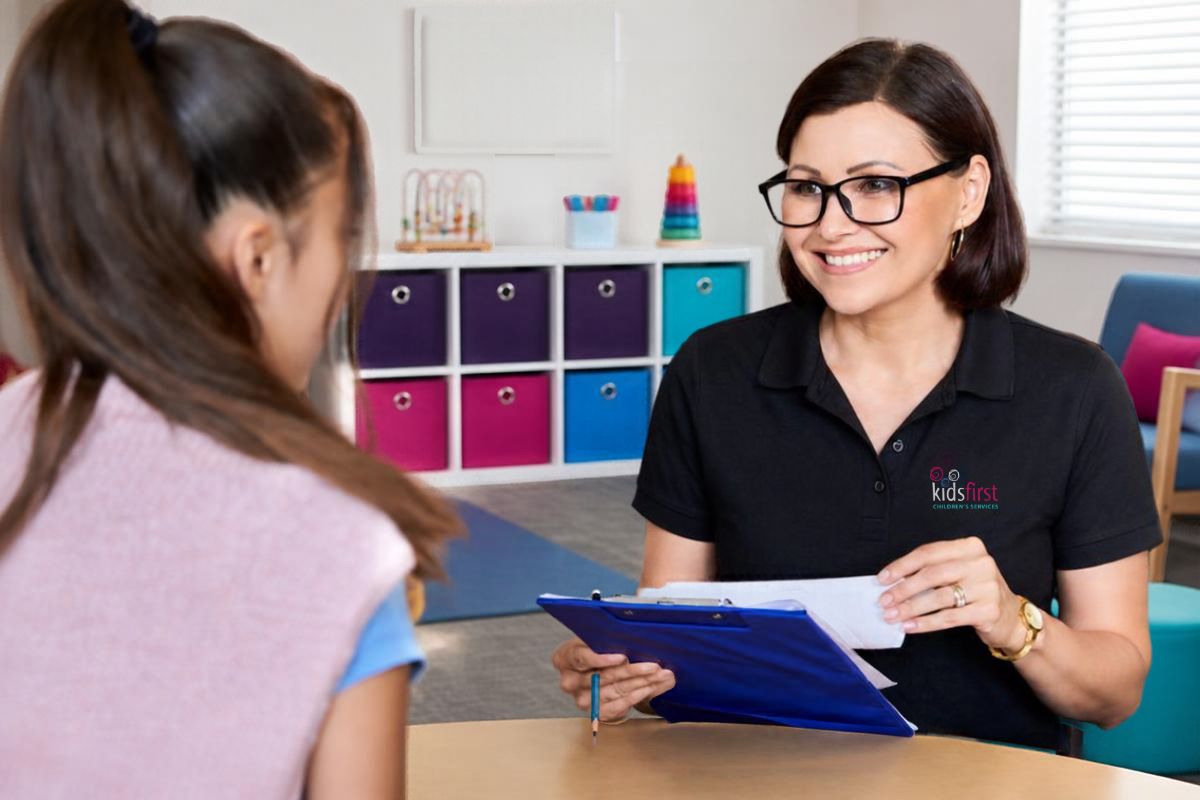
The psychologist will meet with your child over one or more sessions. Depending on the assessment, this may include standardised testing, observations, activities, and age-appropriate discussions.
Child psychologists are experienced in helping children feel comfortable during the process. Many children find the sessions much less intimidating than their parents expect and often describe them as activities or games rather than tests.
Step 4: Scoring, Interpretation, and Report Writing
After the assessment sessions, the psychologist reviews all of the information collected and prepares a detailed report.
The report explains the findings in parent-friendly language and outlines any relevant diagnoses, learning differences, or areas of difficulty that may have been identified. It also includes practical recommendations for home, school, and any further assessments or interventions that may be helpful.
Most assessments involve 2 to 4 sessions with the child, alongside a parent consultation and teacher questionnaires. Delays can sometimes occur if questionnaires are returned late, so it’s often helpful to let teachers know ahead of time. Reports are generally available around 3 weeks after testing has been completed, with the full process usually taking approximately 4 to 8 weeks.
Step 5: Feedback Session With Parents
The assessment process includes a dedicated feedback session where the psychologist discusses the findings in detail with parents.
This is an opportunity to ask questions, seek clarification, and talk through the recommendations and possible next steps.
For many families, the feedback session can bring a sense of relief. Having a better understanding of their child’s needs often helps parents feel more confident about how to support them moving forward.
Benefits of Psychological Assessments for Children on Sydney’s Northern Beaches
A psychological assessment can provide families with valuable information about their child’s needs and help inform decisions about school, therapy, and everyday support. While every child’s situation is different, families often describe several common benefits following an assessment.
Families Gain a Better Understanding of Their Child’s Needs
One of the most valuable outcomes of an assessment is having a better understanding of why certain difficulties may be occurring.
Parents often spend months or even years wondering whether their child is struggling because of behaviour, anxiety, learning differences, attention difficulties, or something else entirely. Assessment findings can help answer some of these questions and provide a clearer direction moving forward.
Recommendations Can Be More Individualised
Children respond differently to different strategies. An assessment provides information that can help parents, teachers, and therapists better understand which approaches may be most helpful for a particular child.
For example, two children may both struggle at school but require very different classroom adjustments and interventions based on their individual learning profiles.
School and Funding Applications May Be Supported
Assessment reports can often be used to support applications for school adjustments, learning support services, and, where appropriate, NDIS funding.
Recommendations may also help schools better understand a child’s needs and identify strategies that can support participation and learning in the classroom.
Families Often Feel More Confident Moving Forward
Assessments don’t only benefit children. Many parents describe feeling more confident once they have a better understanding of their child’s needs and practical recommendations to guide next steps.
This can make conversations with schools, therapists, and other professionals feel less overwhelming and help families feel more prepared when advocating for their child.
Early Identification Can Support Positive Outcomes
When learning, developmental, or emotional difficulties are identified earlier, children may have more opportunities to access helpful interventions and support.
This does not mean older children cannot benefit from assessment or intervention. Children can make meaningful progress at any age. However, recognising difficulties earlier can sometimes make it easier to address concerns before they begin affecting other areas of a child’s wellbeing.
How Kids First Children’s Services Supports Northern Beaches Families
Kids First Children’s Services has supported families across Sydney’s Northern Beaches since 2007. The clinic was founded by Sonja Walker, a teacher, best-selling author, and mother of a child with unique needs, with the aim of providing local families with access to expert support close to home. Since then, Kids First has supported more than 12,000 families across the region.
One of the strengths of Kids First is its collaborative approach. Depending on a child’s needs, families may work with:
- Child Psychologists
- Speech Pathologists
- Occupational Therapists
- Specialist Teachers
Having professionals from different disciplines working within the same clinic can be particularly helpful for children with more complex presentations. Information gathered during one assessment can help inform recommendations and intervention planning in other areas, creating a more coordinated approach for families.
Kids First also uses its L.E.A.R.N. framework throughout the assessment process, recognising parents as an important part of understanding and supporting their child’s development. Families are encouraged to ask questions, share their observations, and remain actively involved throughout the assessment process rather than simply receiving a report at the end.
Families who would like support beyond assessment can also access a range of psychology and counselling services through Kids First.
Kids First Assessment Reports and Your Child’s School
Kids First assessment reports are written in a way that helps schools understand a child’s learning, behavioural, and developmental needs. Recommendations are designed to be practical and may assist teachers and learning support staff when considering classroom adjustments and additional support.
The team also has experience supporting families as they communicate assessment findings with schools and explore available educational and funding pathways.
Speak With the Kids First Team
Parents often tell us they have been wondering for some time whether something isn’t quite right, but are unsure whether their concerns are significant enough to seek help.
If this sounds familiar, a conversation with the Kids First team may be a helpful first step.
Whether your child is experiencing learning difficulties, emotional challenges, social concerns, or developmental differences, the team can talk through what you have been noticing and discuss whether a psychological assessment may be appropriate.
You don’t need a referral to make an initial inquiry, and you don’t need to have everything figured out before reaching out.
Kids First Children’s Services
Level One, 527 Pittwater Road (cnr Pine Ave),
Brookvale NSW 2100
Phone: (02) 9938 5419
Email: [email protected]
Frequently Asked Questions
1. At what age can a child have a psychological assessment?
Children can be assessed from around two years of age, although the type of assessment varies depending on age and developmental stage. Earlier assessments often focus on developmental milestones and observations, while broader cognitive and academic assessments are generally more appropriate from around four to five years of age. Kids First supports children from toddler age through to 18 years.
2. How long does a child’s psychological assessment take?
Most assessments involve 2 to 4 sessions with the child, alongside a parent consultation and teacher questionnaires. Reports are generally available around 3 weeks after testing is complete, although delays can occur if school questionnaires are returned later than expected. From initial contact to the feedback session, families can generally expect the process to take approximately 4 to 8 weeks.
3. Do I need a referral to book a psychological assessment for my child?
No. A referral is not required to access a private psychological assessment at Kids First, although some families are referred by a GP, paediatrician, or another health professional, particularly when Medicare items or other services are being explored.
4. Will my child find the assessment stressful or upsetting?
Most children find the assessment process much less intimidating than their parents expect. Child psychologists are experienced in helping children feel comfortable and engaged, and many children describe the sessions as activities or games rather than formal testing.
5. How do I use the assessment report to get support at my child’s school?
Assessment reports can help schools better understand a child’s learning, behavioural, emotional, or developmental needs and may support discussions around learning adjustments, additional support services, or modified assessment conditions where appropriate.
6. What is the difference between a Psychological Assessment and a psychoeducational assessment?
A Psychological Assessment is a broad term that can include ADHD, autism, cognitive, emotional, and behavioural assessments, while a psychoeducational assessment specifically combines cognitive and academic testing to identify learning difficulties such as dyslexia, dysgraphia, or dyscalculia.
7. Is a child’s Psychological Assessment covered by Medicare or NDIS?
Funding pathways vary depending on the type of assessment and individual circumstances. Some ADHD and autism assessment services may attract Medicare rebates when eligibility criteria are met Families are encouraged to discuss funding options directly with the Kids First team.
8. How much does a child’s Psychological Assessment cost in Sydney’s Northern Beaches?
Fees vary depending on the type and scope of assessment. The Kids First team can discuss assessment fees, possible rebate pathways, and available funding options before an assessment begins.
9. What is the difference between a child psychologist and a paediatrician?
A paediatrician is a medical doctor specialising in children’s health and development, while a child psychologist focuses on understanding and supporting learning, behaviour, emotions, and development through assessment and evidence-based interventions. In many situations, both professionals may be involved in supporting a child and family.
10. What happens after a child’s Psychological Assessment at Kids First?
Following the assessment, families attend a feedback session where the findings and recommendations are discussed. Depending on the results, recommendations may include psychology support, occupational therapy, speech pathology, school-based adjustments, paediatrician referral, or discussions regarding NDIS pathways.